
www.industryemea.com
16
'26
Written on Modified on
Automating Biogas Carbon Capture
Valmet is delivering a centralized automation framework to manage the liquefaction and utilization of carbon dioxide emissions at a Finnish energy facility.
www.valmet.com
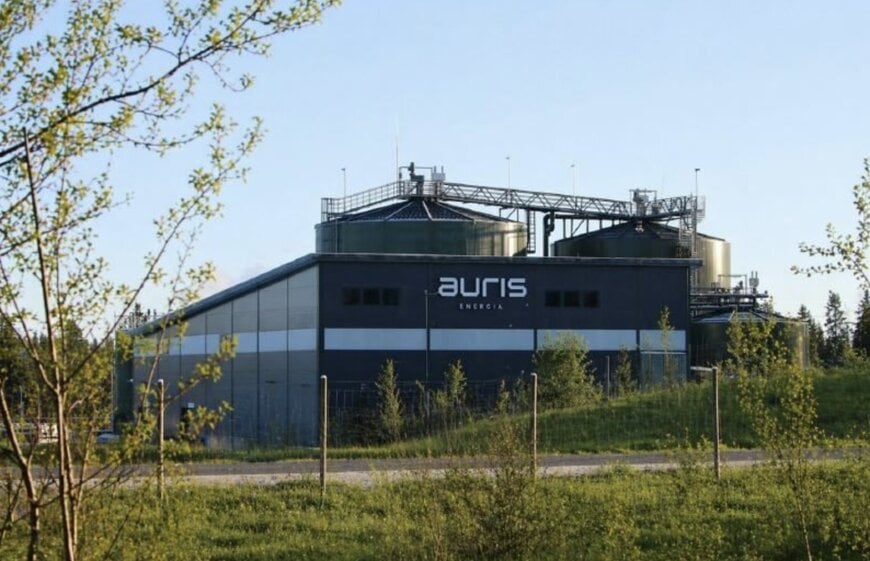
Suomen Biovoima Oy and Valmet partnered to integrate a distributed control system that automates a carbon dioxide liquefaction facility at the Auris Energia biogas plant in Mantsala, Finland. The implementation of this industrial automation technology establishes a continuous, unmanned carbon capture infrastructure for industrial reuse.
Operational Challenges and Sustainability Goals
Auris Energia operates a biogas production facility where carbon dioxide is generated as a standard byproduct. Historically, this gas would be released directly into the atmosphere. To improve raw material efficiency and align with circular economy models, Suomen Biovoima Oy designed a process to capture, purify, and liquefy the carbon dioxide directly at the source. The recovered gas is then repurposed for industrial applications, such as concrete production, where it becomes permanently bound within building materials. To operate this new liquefaction infrastructure efficiently, the companies required a robust automation platform capable of managing complex gas processing parameters without requiring constant manual intervention.
Technical Solution and System Selection
To meet these operational requirements, Suomen Biovoima Oy selected the Valmet DNAe Distributed Control System. This automation platform provides advanced process control and real-time visibility into the liquefaction process. The engineering team chose this specific architecture because of its high cybersecurity standards and its ability to securely transfer operational data, which allows the plant to function safely as an unmanned operation. The distributed control system actively monitors key performance indicators and adjusts processing variables, reducing the dependency on on-site personnel while maintaining consistent output quality. Matti Miinalainen, Senior Sales Manager in the Automation business area at Valmet, noted that the selected architecture ensures secure data transfer alongside continuous monitoring and reporting of plant status metrics to Auris Energia.
Implementation Phases and System Integration
The deployment of the automation architecture follows a phased engineering schedule. The main system delivery is set for November 2026, followed by physical installation in December 2026. System start-up and full operational commissioning are expected in the first quarter of 2027. Valmet supports the integration by combining its cybersecure system architecture with Suomen Biovoima Oy's specific process engineering knowledge. Furthermore, the technology provider will supply continuous lifecycle services, software development, and system upgrades to ensure the facility maintains its processing efficiency and adapts to changing regulatory or operational requirements over its operational lifespan.
Operational Impact and Resource Efficiency
By integrating industrial automation into the carbon capture infrastructure, the facility optimizes its use of energy and raw materials. The control algorithms reduce the margins of error during the purification and liquefaction stages, maximizing the volume of carbon dioxide successfully diverted from atmospheric release. Enhanced reporting mechanisms provide operators with transparent performance metrics, allowing continuous optimization of the energy consumption associated with the liquefaction cycle. Mikko Bengts, Sales Manager at Suomen Biovoima Oy, explained that repurposing the emissions improves overall plant efficiency, while the integration of modern automation establishes a scalable foundation for similar infrastructure projects in the future.
Edited by Aishwarya Mambet, Induportals Editor, with AI assistance.
www.valmet.com
