
Noble metal-free electrodes advance alkaline hydrogen electrolysis
Rheinmetall develops a new electrode technology for alkaline electrolysis within Germany’s National Hydrogen Strategy, targeting higher efficiency and scalable green hydrogen production.
www.rheinmetall.com
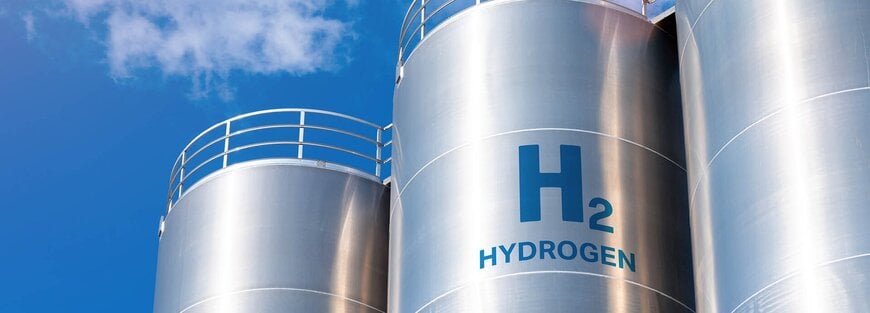
Rheinmetall has successfully completed the development of an innovative electrode technology for alkaline water electrolysis, addressing efficiency and scalability challenges in green hydrogen production. The technology was developed under the German government-funded E²ngel project (“Noble Metal-free Electrodes for the Next Generation of Alkaline Electrolysis”) and is positioned as a key contribution to the National Hydrogen Strategy.
Context of the project
Alkaline electrolysis remains one of the most established methods for large-scale hydrogen production, but conventional systems rely on precious metal catalysts that increase cost and limit scalability. The E²ngel project aimed to overcome these constraints by developing electrodes based on noble metal-free catalysts while significantly improving performance metrics such as power density and efficiency.
The project was led by KS Gleitlager GmbH, a Rheinmetall subsidiary, which acted as consortium coordinator over a three-year research and development period.
Technical solution and development approach
The newly developed electrode technology focuses on increasing current density and reducing cell voltage in alkaline electrolysis. According to project results, the electrodes enable either a doubling of power density or an efficiency improvement of more than 10% compared with existing systems. These gains translate into lower system-level investment costs and reduced hydrogen production costs.
Rheinmetall’s contribution drew on expertise in special alloy development, metallic coating processes, and industrial forming and joining technologies. This combination enabled parallel development of catalyst materials and scalable manufacturing processes, shortening development timelines.
Validation and consortium roles
Qualification and validation of the electrode technology were carried out in collaboration with consortium partners German Aerospace Centre and McPhy Energy Germany. The DLR Institute of Technical Thermodynamics evaluated multiple design variants under laboratory conditions, while McPhy validated the electrodes in electrolyser systems during the final project phase.
Testing confirmed that the project’s performance targets for cell voltage and current density were exceeded. The results demonstrate that the noble metal-free electrodes can outperform more complex and cost-intensive solutions based on precious metals.
Transition to pilot and series production
Following the successful development phase, Rheinmetall has initiated preparations for pilot production. Pilot manufacturing is scheduled to begin next year at the St. Leon-Rot site. The planned production line supports electrode dimensions of up to two metres, making it suitable for multi-megawatt electrolyser systems.
Scalability considerations were integrated early in the selection of production processes and equipment, supporting future volume ramp-up aligned with large-scale hydrogen deployment scenarios.
Impact on hydrogen and energy systems
By reducing reliance on critical precious metals and improving electrolyser performance, the new electrode technology supports more cost-effective and resilient hydrogen production. The project contributes to strengthening domestic and European value chains for hydrogen technologies while supporting broader goals of reducing dependence on imported fossil fuels.
The E²ngel project demonstrates how targeted public funding and industrial manufacturing expertise can accelerate the transition from laboratory research to scalable production-ready solutions in the hydrogen sector.
www.rheinmetall.com
