
Teledyne FLIR OEM Thermal Imaging Enables WhaleSpotter’s AI-Powered Whale-Strike Mitigation System
Thermal imagery provides 24/7 edge-AI detections with real-time expert marine specialist verification to protect endangered species and enable safe maritime operations.
www.flir.com
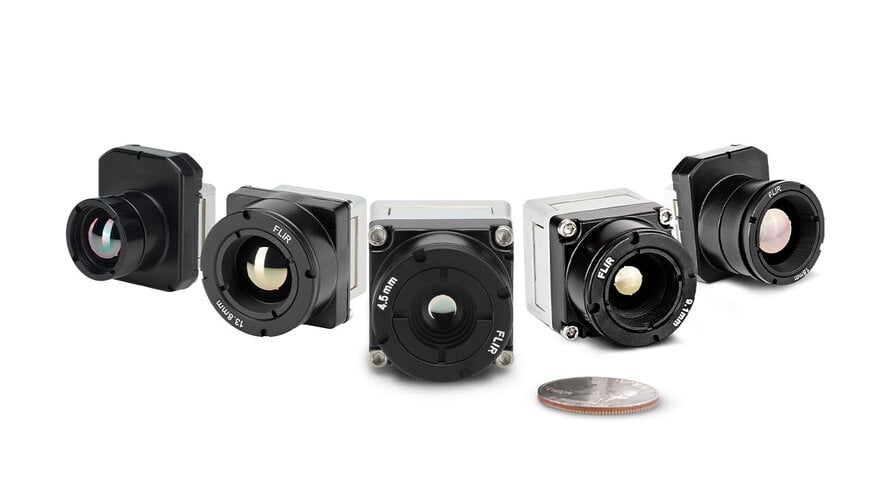
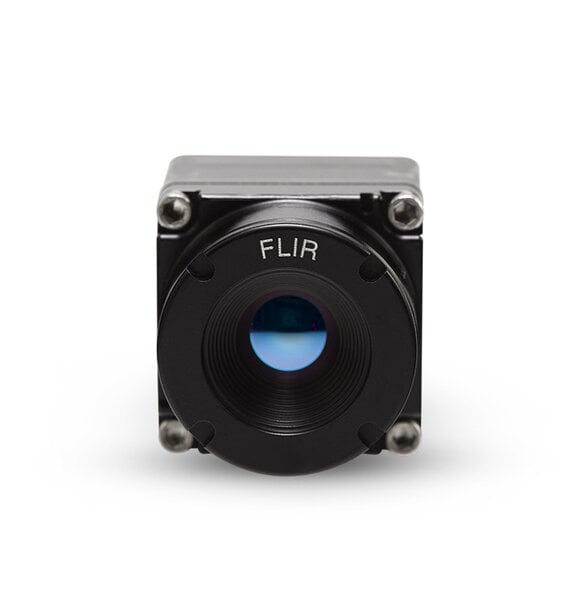
– Teledyne FLIR OEM, part of Teledyne Technologies Incorporated (NYSE: TDY), today announced WhaleSpotter as the latest collaborator in its Thermal by FLIR program, supporting efforts to prevent fatal whale strikes through AI‑powered thermal infrared detection. The WhaleSpotter solution combines Teledyne FLIR OEM’s Boson+ thermal camera module with WhaleSpotter’s proprietary AI and real‑time expert verification to address a leading cause of death for large whales.
"WhaleSpotter’s solution embodies our mission to enable intelligent thermal with edge-based AI that addresses critical, global challenges," said Paul Clayton, president, Teledyne FLIR OEM. "The scalable, plug-and-play solution protects both the environment and the global supply chain."
The WhaleSpotter system leverages thermal imaging to reliably detect marine mammals in real time, day or night, and through light fog. The solution alerts crews to whales surfacing at distances of up to seven kilometers (four nautical miles), comparable as humans with binoculars during daylight. This provides ships and offshore operators more time and distance to adjust course or speed.
"WhaleSpotter was born from more than ten years of research at Woods Hole Oceanographic Institution (WHOI) to solve the 'unseen whale' problem," said Dr. Daniel Zitterbart, co-founder and chief scientist of WhaleSpotter. "By pairing Teledyne FLIR OEM’s thermal imaging with our AI and global network of expert marine specialists, we deliver 99 percent efficacy. This ensures captains have the confidence to act without the 'alert fatigue' caused by false positives."
Proven Global Scale
WhaleSpotter is a direct spinoff of Dr. Zitterbart’s work at WHOI, bringing laboratory-grade science to commercial fleets and offshore energy platforms worldwide. Following a decade of field testing, WhaleSpotter has achieved more than 250,000 verified detections. With nearly 100 systems active at more than 50 global sites today, the technology is in service with customers around the world, including Matson, a leading U.S. cargo carrier in the Pacific.
In an announcement from November 2025, Matt Cox, Chairman and CEO, Matson, said, “The technology is remarkable, and now refined to meet our zero-false alert requirements. Our crews are enthusiastic about this new tool and are already using it to help protect whales."
Economic and Environmental Stakes
Beyond the tragic loss of life, whale strikes carry massive economic consequences. The International Monetary Fund (IMF) values a single great whale at more than two million dollars due to its role in carbon sequestration, fishery enhancement, and ecotourism. For critically endangered species like the North Atlantic Right Whale—of which only about 70 reproductively active females remain—a single strike can impact the future of the entire population.
Explore the updated brand and watch the new film at www.whalespotter.com.
