
www.industryemea.com
05
'26
Written on Modified on
Alstom Secures New Maintenance Contract for Line 1 Quito Metro
Global leader Alstom will provide four years of specialized signaling maintenance in Ecuador, ensuring high-frequency safety and reliability for thousands of daily metro passengers.
www.alstom.com
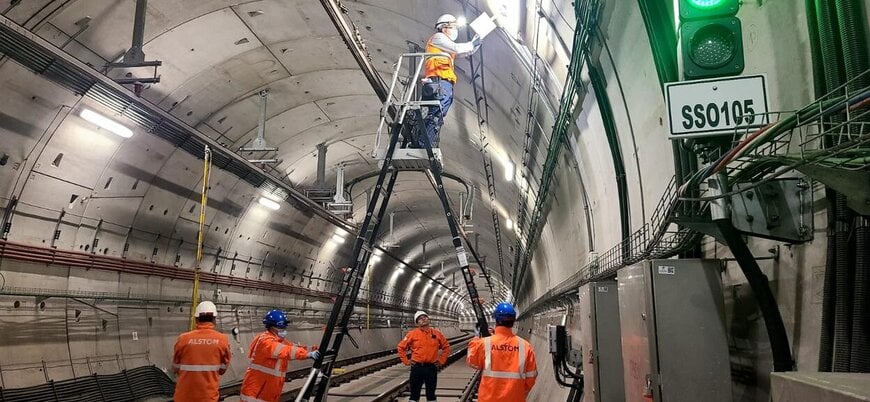
Ensuring the long-term reliability of a city's "nervous system" requires more than just routine repairs; it demands the specialized precision of the original technology architect. In a competitive landscape where operators must choose between generalist maintenance providers and technical specialists, Alstom has secured a strategic $27 million (approx. €23 million) contract to maintain the signaling system of the Quito Metro Line 1. This agreement highlights a critical differentiator in the rail industry: the superior performance and risk mitigation achieved when the original equipment manufacturer (OEM) oversees the lifecycle of its own proprietary technology.
Optimizing System Integrity Through OEM Specialization
The signaling system, specifically Alstom’s CITYFLO 350 technology, is the core intelligence behind the Quito Metro, managing train traffic and passenger safety across 15 stations. Unlike third-party maintenance firms, Alstom leverages its role as the designer of this system to provide unparalleled technical continuity. The four-year contract, which extends through February 2030, focuses on both preventive and corrective maintenance. This proactive approach allows for the early detection of potential issues, drastically reducing the risk of service interruptions and extending the operational lifespan of high-value equipment.
Advanced Management of Obsolescence and Upgrades
A major challenge for modern metros is the rapid pace of technological change. A key factor that distinguishes Alstom from its competitors is its comprehensive management of technology obsolescence and potential system upgrades. By maintaining a direct link between the local Quito teams and Alstom’s global engineering hubs, the project ensures that Line 1 can seamlessly integrate future innovations without requiring a complete system overhaul. This strategic foresight protects public investment and guarantees that the metro continues to meet the high performance standards required for a network carrying 400,000 passengers daily.
Local Talent and Global Reliability Standards
Sustainability in rail transit is not only environmental but also social. The maintenance program is designed to foster local expertise, employing Ecuadorian technical teams to carry out frequent inspections and continuous monitoring. This model combines Alstom’s international safety protocols with the development of qualified local jobs and knowledge transfer. By maintaining the largest signaling footprint in Latin America — with over 6,000 km of signaled lines — Alstom applies proven regional best practices to ensure that Quito’s metro remains a benchmark for reliability, safety, and passenger satisfaction in the Andean region.Ensuring the long-term reliability of a city's "nervous system" requires more than just routine repairs; it demands the specialized precision of the original technology architect. In a competitive landscape where operators must choose between generalist maintenance providers and technical specialists, Alstom has secured a strategic $27 million (approx. €23 million) contract to maintain the signaling system of the Quito Metro Line 1. This agreement highlights a critical differentiator in the rail industry: the superior performance and risk mitigation achieved when the original equipment manufacturer (OEM) oversees the lifecycle of its own proprietary technology.
www.alstom.com
