
www.industryemea.com
31
'26
Written on Modified on
Agrivoltaics Europe 2026: Stuttgart Event on Agriculture and Solar Energy
Join industry leaders in Stuttgart on November 17–19 to explore agrivoltaic technologies, dual land use, and sustainable solar-farming solutions.
www.leadventgrp.com
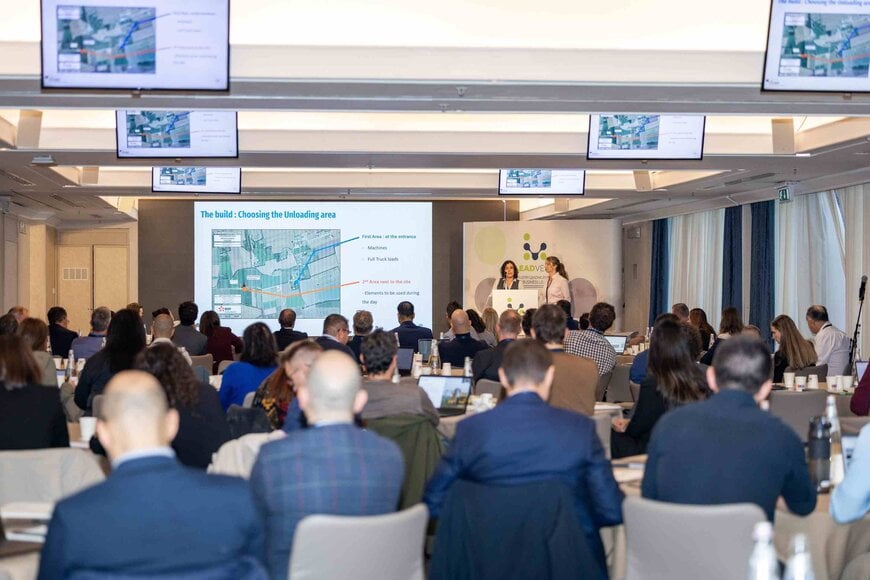
Agrivoltaics is emerging as an important approach to addressing two major challenges at the same time. The need to maintain agricultural production and the growing demand for renewable energy. By combining agricultural activities with photovoltaic installations, agrivoltaic systems can allow land to support both food production and clean electricity generation.
The concept is gaining attention across Europe as governments, energy companies, farmers, developers and researchers explore more efficient ways to use agricultural land. However, the development of successful agrivoltaic projects requires more than simply installing solar panels above or alongside crops. Agricultural productivity, energy generation, land use, biodiversity, technology, regulation and economic viability all need to be considered together.
Agricultural performance remains at the centre of the discussion. The design and configuration of photovoltaic systems can influence light availability, temperature, moisture and growing conditions beneath the panels. Understanding how different crops respond to these conditions is therefore important for developing projects that can deliver both agricultural and energy benefits.
Water management is another area attracting increasing attention. Properly designed agrivoltaic systems may help create microclimates that can influence evaporation and water requirements in certain agricultural environments. This creates opportunities to explore how solar infrastructure can contribute to more resource-efficient farming while maintaining productive agricultural operations.
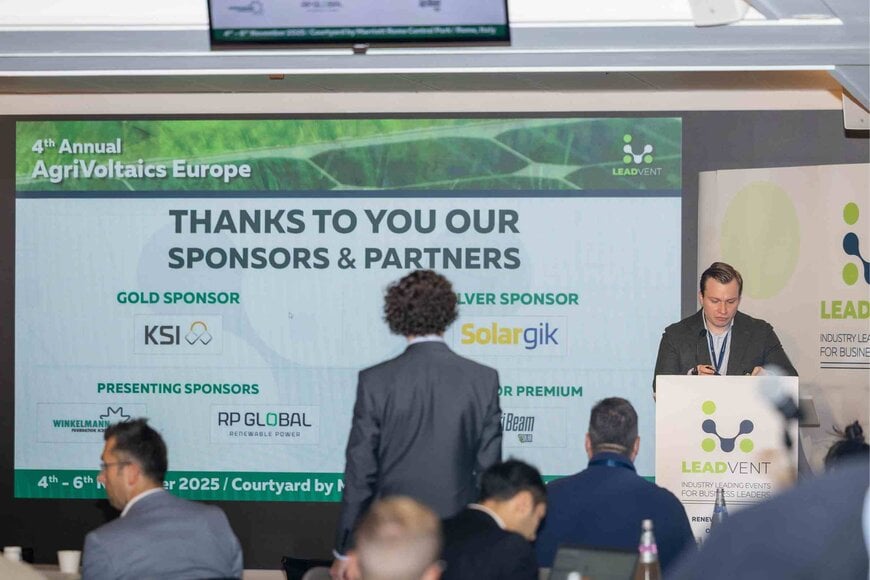
Technology is also advancing rapidly. New approaches include vertical bifacial systems, elevated photovoltaic structures, tracking solutions and other designs that aim to improve compatibility between farming activities and solar generation. Monitoring technologies, data collection and agricultural modelling are also helping developers better understand crop performance and optimise system design.
At the same time, regulation and permitting remain important considerations. Agrivoltaic projects operate at the intersection of agricultural and energy policy, creating complex requirements around land use, planning, grid connection and environmental protection. Clear regulatory frameworks will be essential for creating a stable environment for investment and responsible project development.
The financial case is equally important. Developers and investors need to understand how agricultural revenues, electricity generation, project costs, grid access and long-term operational requirements interact. The ability to create commercially viable projects while maintaining meaningful agricultural activity will be critical to the wider adoption of agrivoltaics.
Biodiversity and environmental considerations are also becoming increasingly important. Agrivoltaic development is not simply about maximising solar capacity. Projects must consider soil protection, ecological impacts, landscape integration and the long-term sustainability of agricultural land. This is encouraging greater collaboration between renewable energy developers, farmers, environmental specialists and researchers.
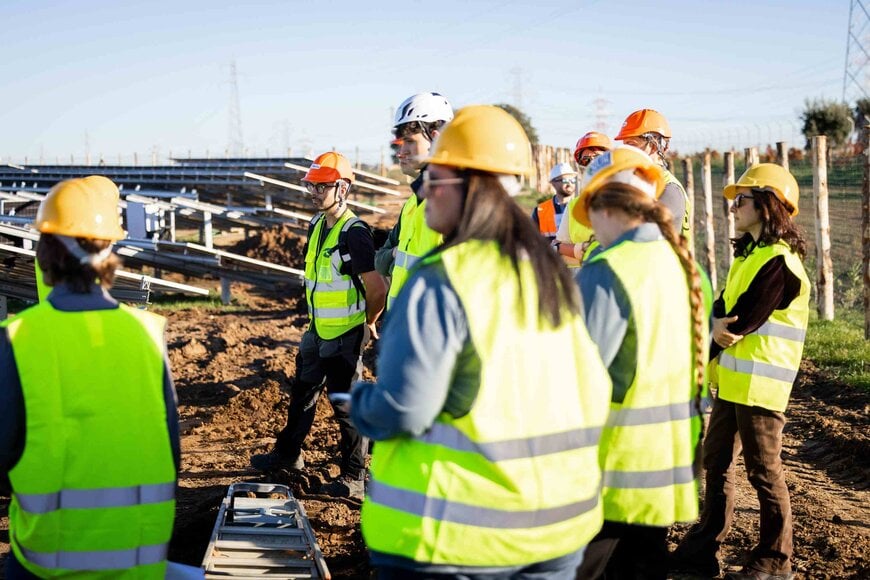
Collaboration across these sectors is becoming essential. The Agrivoltaics Europe platform brings together professionals from renewable energy, agriculture, project development, research, finance, technology and regulation to examine how the sector can overcome its technical and commercial challenges. The current speaker programme includes experts from organisations such as RWE Renewables, NextEnergy Capital, Statkraft, JUWI, GOLDBECK SOLAR, Forschungszentrum Jülich and other organisations active in the Agri-PV sector.
These developments will be among the issues examined at the 5th Annual Agrivoltaics Europe, taking place in Stuttgart, Germany, on 17th–19th November 2026. The event will bring together industry professionals to discuss agricultural integration, Agri-PV technologies, project development, regulation, financing, biodiversity and the practical deployment of agrivoltaic systems.
The event will also provide opportunities for networking, knowledge sharing and one-to-one meetings between stakeholders across the agricultural and renewable energy value chains. The programme includes access to industry experts, project insights and discussions focused on the development of the European agrivoltaics market.
As the energy transition accelerates and pressure on land resources continues to grow, agrivoltaics offers an opportunity to rethink how agricultural land can contribute to both food and energy systems. The challenge now is to develop solutions that are technically effective, commercially viable and genuinely compatible with agriculture.
www.leadventgrp.com
