
www.industryemea.com
03
'26
Written on Modified on
Industrial Transport Management System Integration
Yokogawa has partnered with BuyCo to distribute a software-as-a-service platform designed to integrate container transport management within materials industry logistics.
www.yokogawa.com
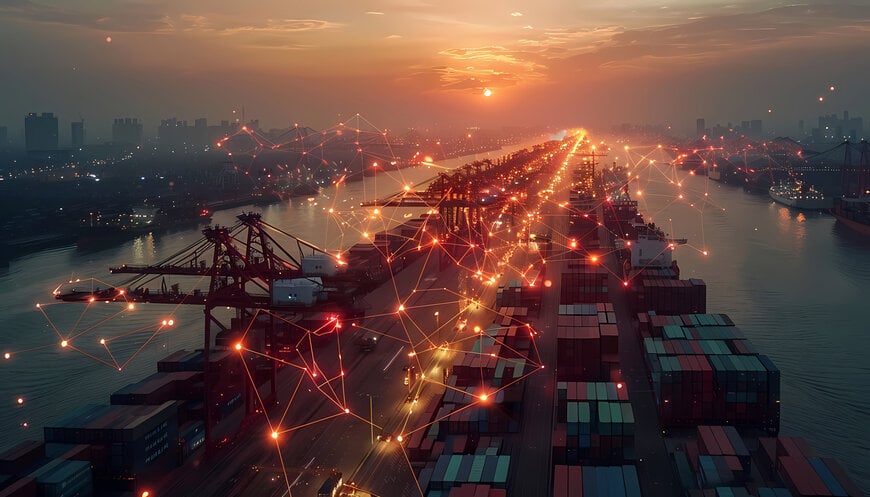
Yokogawa Electric Corporation and BuyCo have formed a distribution agreement to deploy a digital Transportation Management System for the materials and chemical processing sectors. This cooperation integrates automated container shipping data with existing manufacturing operations to streamline global digital supply chain logistics.
Bridging Production and Global Logistics
The materials and chemical sectors face high logistical complexity driven by stringent environmental regulations, hazardous material handling requirements, and variable global demand. Historically, facility process automation and outbound maritime logistics have operated as isolated systems. To establish continuous data flow across these domains, Yokogawa is expanding its process control portfolio by distributing BuyCo's specialized software-as-a-service (SaaS) platform. The partnership combines Yokogawa's background in industrial automation and manufacturing execution with BuyCo's container transport architecture.
Platform Architecture and System Integration
The BuyCo platform functions as a centralized Transportation Management System (TMS) that standardizes container transport data across external logistics networks. The cloud-based architecture executes automated shipment booking, processes cargo data to optimize routing selection, and enables real-time door-to-door tracking. Under the agreement, Yokogawa will offer this system to its industrial client base, facilitating the alignment of outbound logistics data with plant-level production planning. This integration ensures continuous data exchange among manufacturers, shipping lines, and downstream stakeholders.
Industrial Use Cases and Compliance Tracking
The system is specifically deployed for manufacturers managing diverse or hazardous cargo, which requires precise scheduling to prevent chemical degradation or regulatory penalties. Real-time visualization of container movements allows plant operators to adjust production schedules dynamically based on actual shipping capacity and transit delays. Furthermore, the platform calculates and visualizes carbon dioxide emissions associated with distinct maritime routes. This function enables operators to select transport parameters that align with standardized greenhouse gas reduction targets.
Operational Impact and System Scalability
Synchronizing outbound shipping data with factory output reduces the requirement for physical buffer inventory and minimizes aggregate transportation costs through improved on-time delivery metrics. Naohisa Endo, a Yokogawa executive officer and head of the company's Materials Business Headquarters, stated, "Building on our strengths in measuring and connecting, we aim to achieve integrated optimization spanning everything from our customers’ production operations to international logistics." Moving forward, the infrastructure will serve as a baseline for deploying advanced supply chain management functionalities, including automated demand forecasting and continuous inventory optimization.
Edited by Aishwarya Mambet, Induportals Editor, with AI assistance.
www.yokogawa.com
