
www.industryemea.com
23
'26
Written on Modified on
Service Plans for Mission-Critical Power Infrastructure
Russelectric, a Siemens business, structures preventive maintenance and response services to support compliance and uptime requirements in critical power environments.
www.siemens.com
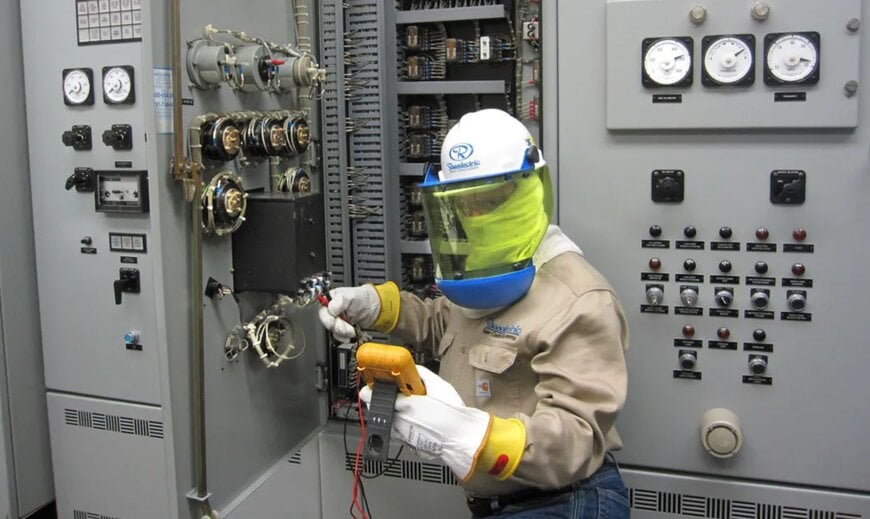
Maintenance strategies for critical power infrastructure increasingly focus on preventive servicing and rapid response to reduce downtime risks in sectors such as healthcare, data centres, and industrial facilities. In this context, Russelectric, a Siemens business, introduced Advanced Service Plans for automatic transfer switches and generator paralleling control switchgear.
Maintenance strategies shaped by electrical safety standards
The service programmes focus on maintaining operational readiness of Automatic Transfer Switches and Generator Paralleling Control Switchgear used in emergency and standby power systems. Such systems are typically deployed in environments where uninterrupted power supply is required, including hospitals, data centres, and industrial facilities supporting digital infrastructure.
The service approach aligns with maintenance requirements defined in NFPA 70B for electrical equipment maintenance programmes, as well as related guidance in NFPA 70E, NFPA 99 Health Care Facilities Code, and NFPA 110 for emergency and standby power systems. These frameworks define inspection intervals, safety procedures, and operational readiness requirements intended to reduce equipment failure risks and improve electrical safety management.
Service structure for lifecycle reliability
Russelectric provides factory-authorised field service engineers dedicated to servicing its installed equipment base. These personnel are available continuously and have access to spare parts inventories and engineering support resources, enabling maintenance and repair interventions for critical power systems.
Two service tiers are available. The Advanced Plan includes scheduled annual preventive maintenance, priority emergency response, coverage of labour and travel costs for emergency dispatch, reduced labour rates for additional services, discounted spare parts, and maintenance documentation.
The Prime Plan extends this structure by including replacement parts within the service agreement and providing additional labour and service discounts. This model is intended to provide predictable maintenance costs and reduce procurement delays for replacement components.
Alternatives to time-and-materials maintenance models
The service plans are positioned as an alternative to conventional time-and-materials service approaches by structuring response priority, predefined service costs, and access to parts logistics.
Operational benefits associated with this model include faster onsite response due to priority dispatch arrangements, reduced administrative overhead through predefined service terms, and improved system availability through scheduled preventive maintenance. These characteristics are relevant in environments where power continuity is part of broader facility resilience and risk management strategies.
Edited by industrial journalist Aishwarya Mambet, with AI-assistance.
www.siemens.com
